SGIGulf

BUILDING A CULTURE OF PEACE

When peace moved from

an ideal to a daily choice.

A global exhibition that invited young people to see peace not as something created somewhere else – but as something each of us can practise, protect and pass on.

THE IDEA

Peace Is More Than The Absence Of Conflict.

It is how we choose to live with one another.

What does peace look like in everyday life?

In how we listen.

In how we treat difference.

In how we resolve disagreement.

In how we value another human being.

The Building a Culture of Peace exhibition brought the above points into the lives of young people across the UAE.

Aligned with UNESCO’s International Decade for a Culture of Peace and Non-Violence for the Children of the World, the exhibition explored peace as a way of thinking, behaving and relating – rooted in empathy, dialogue, justice, respect for diversity and human dignity.

THE EXHIBITION

A Global Exhibition.

A Personal Experience.

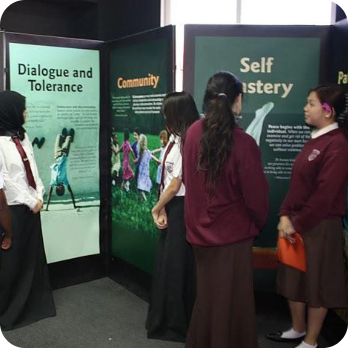
The exhibition transformed peace education from something to be read about into something to be experienced. Its eight themes explored:

UNDERSTANDING VIOLENCE

PEACE & DIALOGUE

RESPECT FOR DIVERSITY

HUMAN RIGHTS & JUSTICE

DISARMAMENT

ENVIRONMENTAL SUSTAINABILITY

GENDER EQUALITY

PEACE THROUGH INNER TRANSFORMATION

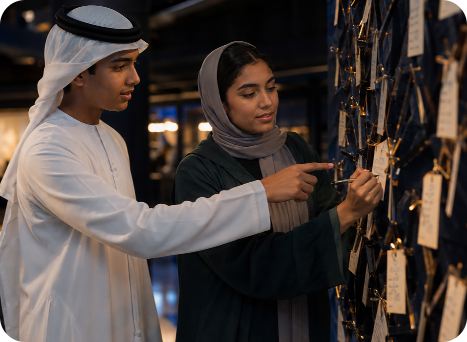
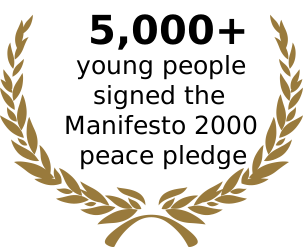
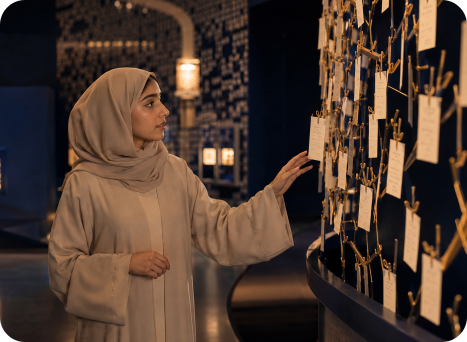
They could make a Manifesto 2000 Peace Pledge, contribute to a Peace Tree installation, share their thoughts on a Reflection Wall and be a part of discussion spaces.

MANIFESTO 2000

PEACE TREE

REFLECTION WALL

MANIFESTO 2000

Six Choices.

One Commitment.

Peace can sound like a very big idea. Manifesto 2000 made it personal.

These six principles gave young participants practical ways to understand what creating peace could look like in everyday life.

FROM SEEING TO REFLECTING TO ACTING

When An Idea

Became Personal.

The exhibition asked young people to look beyond the idea of peace as a global aspiration and consider their own role in creating it.

SEE

Encounter another perspective.

REFLECT

Question your own choices.

ACT

Bring peace into everyday life.

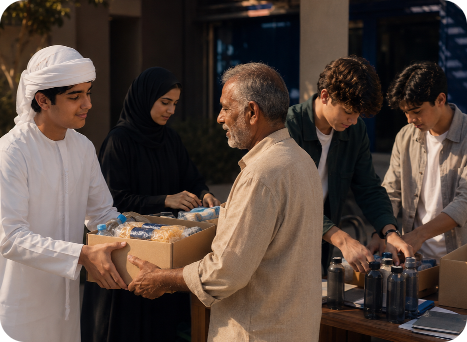
Students subsequently initiated awareness campaigns, environmental projects and social-justice activities. Teachers brought peace-related discussions into classroom learning, while schools explored lasting spaces for dialogue and reflection.

The exhibition didn’t simply tell young people about peace. It asked them what they could do about it.

THE RIPPLE

One Exhibition.

A Wider Conversation.

The exhibition was guided by the theme HEART – a simple framework through which children and visitors could explore the values behind the artworks.

THE EXHIBITION

THE CONVERSATION

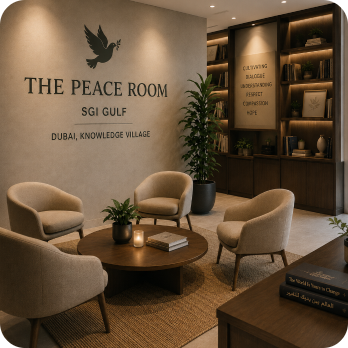
THE PEACE ROOM

THE WORLD IS YOURS TO CHANGE

Building a Culture of Peace became part of a broader peace-building journey for SGI Gulf.

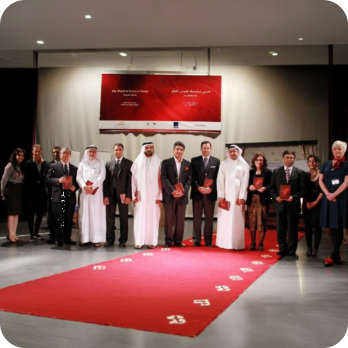
Its spirit later found expression through the establishment of the Peace Room at Dubai Knowledge Village and the Arabic-English publication of Daisaku Ikeda’s The World Is Yours to Change.

Together, these initiatives created new opportunities for students, educators, cultural leaders and intellectual communities to engage with themes of dialogue, nonviolence and human dignity.
THE REACH 

When Peace Entered

The Classroom.

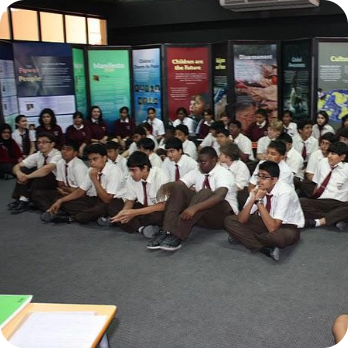
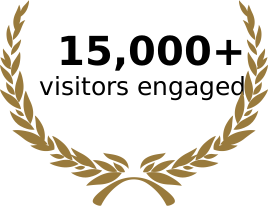
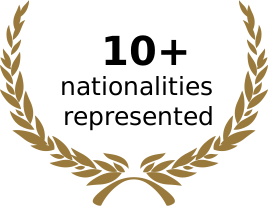
The exhibition travelled through schools and educational institutions across the UAE, creating opportunities for students, educators and families to engage with peace in ways that felt immediate and relevant.

LEGACY

Peace Begins In The Human Heart.

It becomes real through the choices we make every day.

Building a Culture of Peace was more than an exhibition. It was an invitation to a generation of young people to recognise that they were not simply inheriting the future.

They could help create it.

That is perhaps the most enduring legacy of the initiative: the belief that peace does not begin somewhere far away.

It begins with what we choose to do here.

With one another.

Every day.