
ADOLFO PÉREZ ESQUIVEL
PORTRAIT
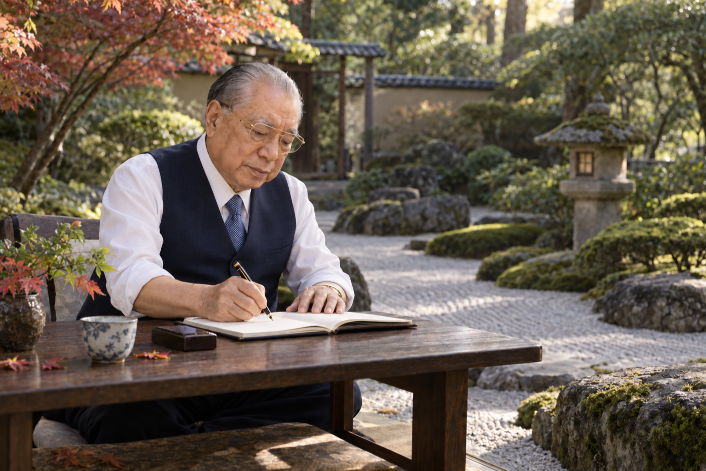
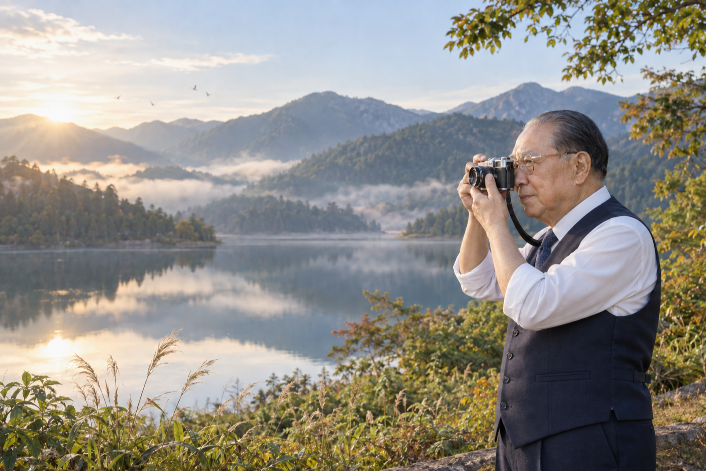
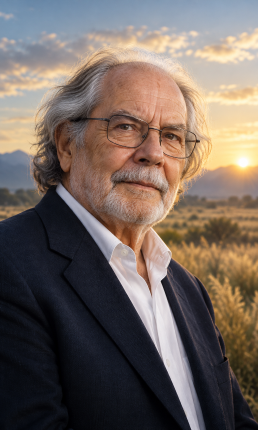
A human-rights activist, artist and Nobel Peace Laureate whose experience of Argentina's military dictatorship shaped his commitment to nonviolence and human dignity.
DR IKEDA'S REFLECTION
Dr Ikeda reflected on Pérez Esquivel's experience of violence and repression and his determination to work for human rights through nonviolent means.
WANGARI MAATHAI
PORTRAIT
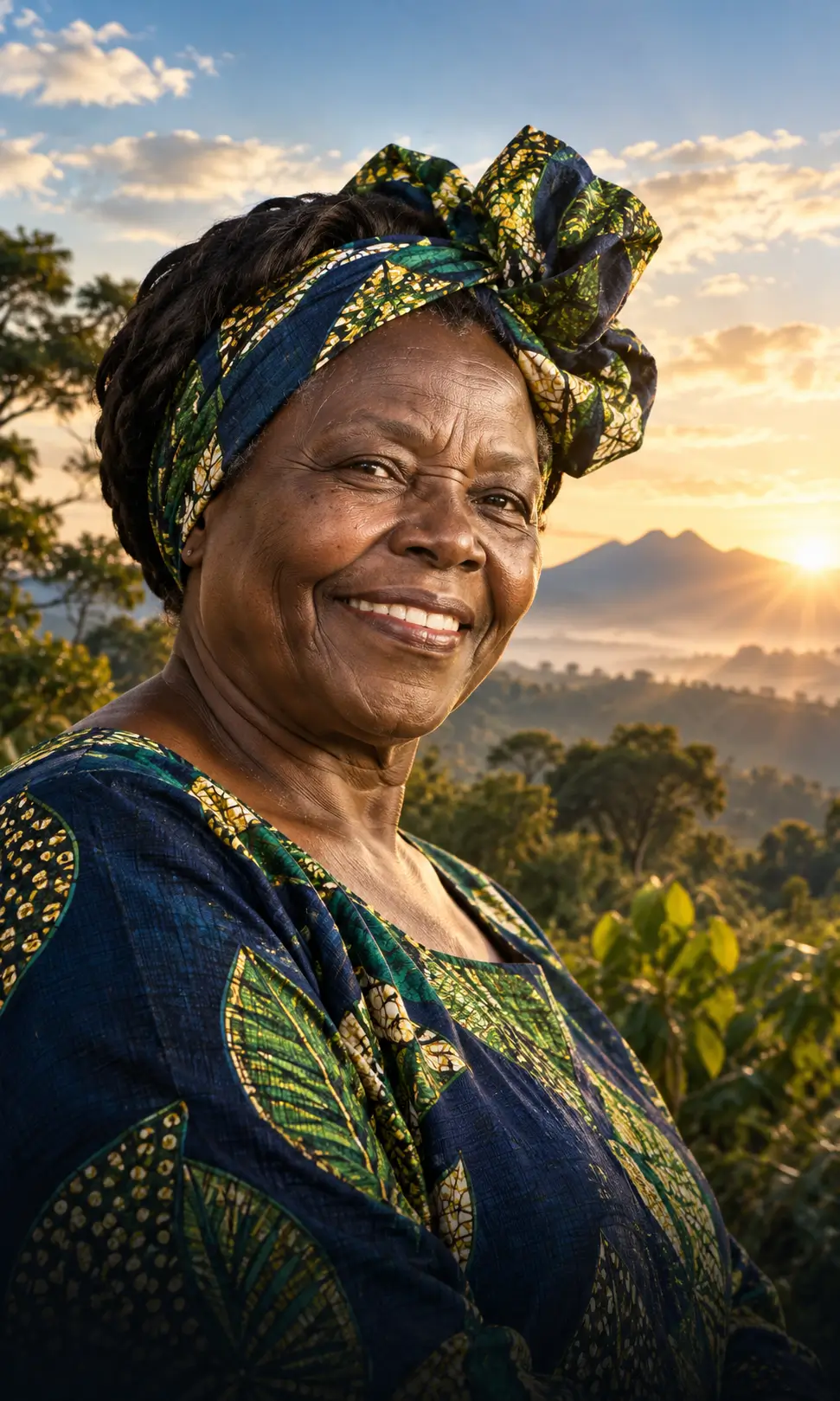
Wangari Maathai founded the Green Belt Movement, connecting environmental protection with community action and the empowerment of women.
DR IKEDA'S REFLECTION
Dr Ikeda highlighted the spirit of reverence for life underlying her environmental work and her ability to turn a simple act such as planting trees into a movement.
THE ENCOUNTER
Dr Ikeda met Maathai in Tokyo in February 2005.
ALEKSEY N. KOSYGIN
PORTRAIT
Aleksey N. Kosygin served as Premier of the Soviet Union during the Cold War.
DR IKEDA'S REFLECTION
Their meeting focused on questions of international relations, including Soviet–Chinese relations and the possibility of reducing tensions through direct communication.
THE ENCOUNTER
Dr Ikeda met Kosygin in the Kremlin in Moscow on 17 September 1974.
AURELIO PECCEI
PORTRAIT
Aurelio Peccei was an Italian industrialist and cofounder of The Club of Rome, known for his concern about humanity's long-term future and the consequences of unchecked global problems.
DR IKEDA'S REFLECTION
Dr Ikeda's portrait reflects on Peccei's ability to see humanity's challenges as interconnected and to think beyond immediate horizons.
THE ENCOUNTER
Dr Ikeda and Peccei met in Paris, including an encounter in June 1983.
BRIAN WILDSMITH
PORTRAIT
Brian Wildsmith was a renowned British illustrator of children's books whose work celebrated imagination, colour and creativity.
DR IKEDA'S REFLECTION
Their exchange explored the importance of creativity in children's lives and the enduring human need for happiness, love and security.
THE ENCOUNTER
The official portrait includes the Dr Ikeda and Wildsmith families meeting in Tokyo in 1991.
CHINGIZ AITMATOV
PORTRAIT
Chingiz Aitmatov was one of Kyrgyzstan's most celebrated writers, whose life and work were deeply shaped by the upheavals of the twentieth century.
DR IKEDA'S REFLECTION
His story illustrates the power of literature to preserve memory, confront history and illuminate the human condition.
THE ENCOUNTER
Dr Ikeda met Aitmatov in Moscow in July 1990.
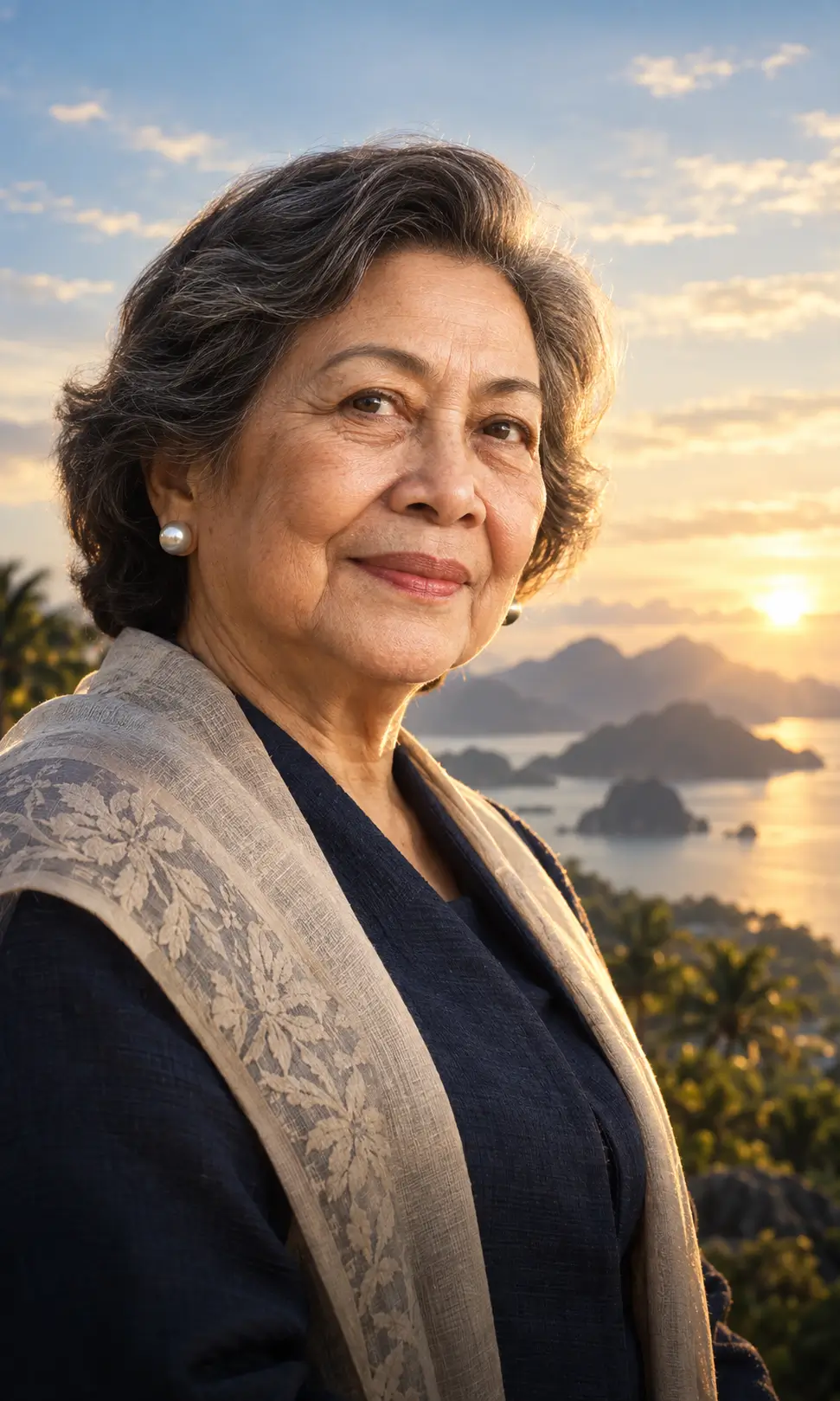
FANG ZHAOLING
PORTRAIT
Fang Zhaoling was a distinguished Chinese painter and calligrapher whose art reflected both deep cultural roots and a life shaped by profound experience.
DR IKEDA'S REFLECTION
Dr Ikeda recalls her as a woman of great learning, character and vitality, whose inner strength had been forged through hardship.
THE ENCOUNTER
Dr Ikeda first met Fang Zhaoling in 1996 at a University of Hong Kong dinner for honorees.
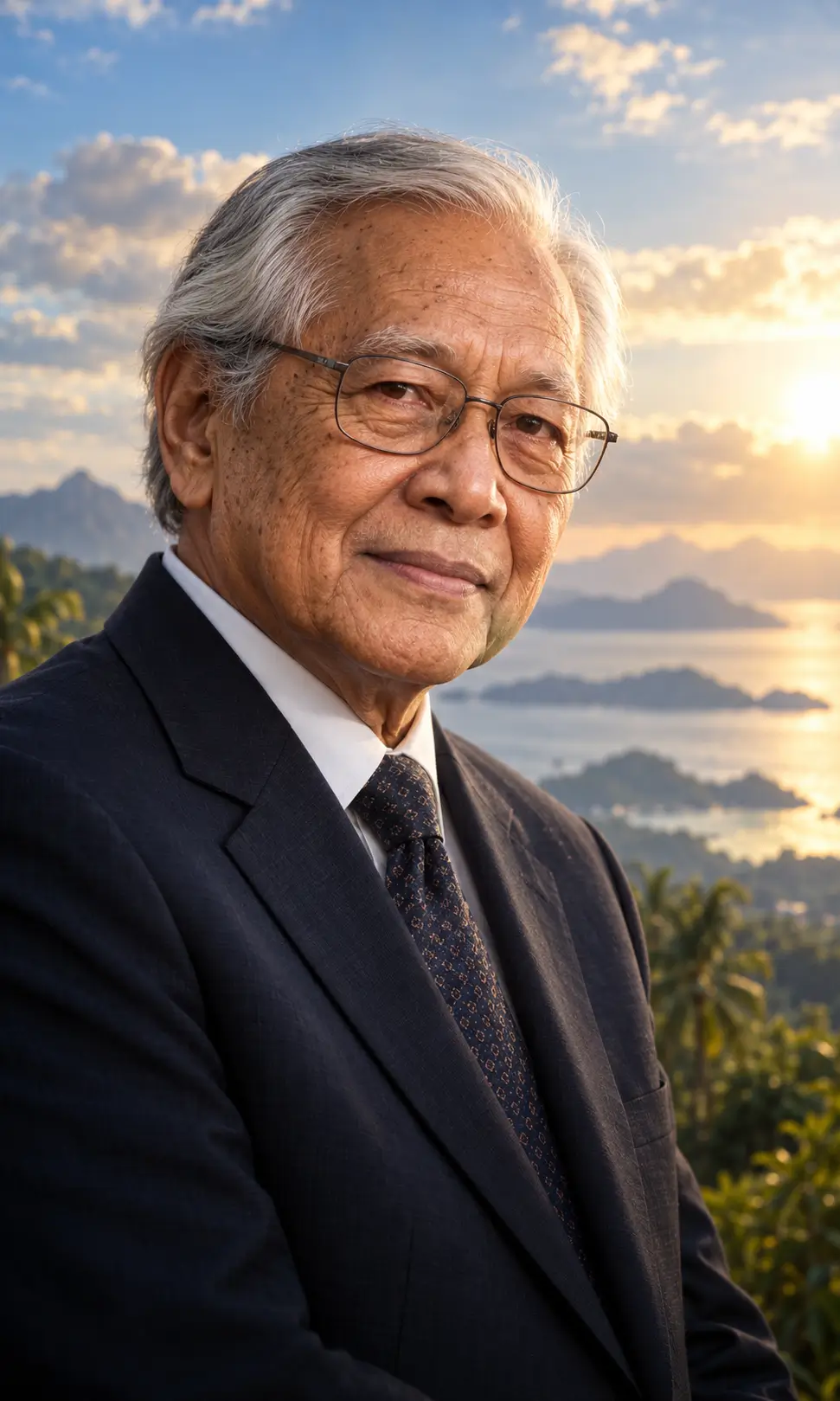
JOSE ABUEVA
PORTRAIT
Jose Abueva was a Filipino scholar whose life was shaped by the experience of war and the struggle to build a more peaceful society.
DR IKEDA'S REFLECTION
His story, as presented by Dr Ikeda, centres on his inability to display hatred even in the face of profound suffering.
THE ENCOUNTER
The official portrait, Refusing to Hate, explores Abueva's experience of war and his remarkable response to suffering.
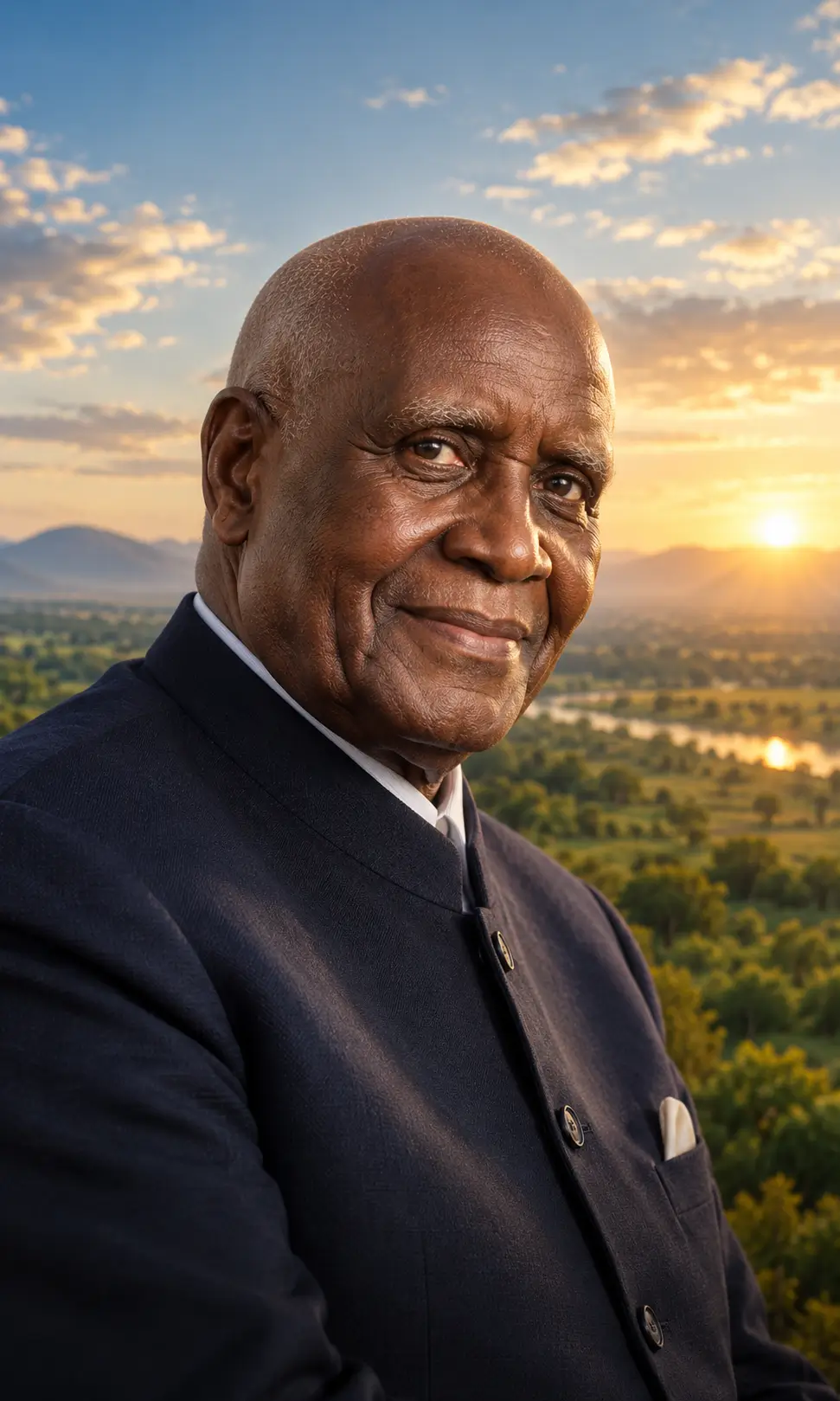
KENNETH D. KAUNDA
PORTRAIT
Kenneth D. Kaunda was a central figure in Zambia's independence movement and became the country's first president.
DR IKEDA'S REFLECTION
Dr Ikeda's portrait highlights Kaunda's simplicity, concern for ordinary people and commitment to human dignity.
THE ENCOUNTER
The official portrait reflects on Kaunda's life, leadership and commitment to the people of Zambia.
MARIA TERESA ESCODA ROXAS
PORTRAIT
Maria Teresa Escoda Roxas of the Philippines carried the memory of wartime loss while dedicating herself to preserving peace and culture.
DR IKEDA'S REFLECTION
Her story explores how painful memories can become a determination to protect future generations from the suffering of war.
THE ENCOUNTER
The official portrait, Mother of Peace, Mother of Culture, reflects on Roxas's life, her memories of wartime suffering and her commitment to peace and culture.
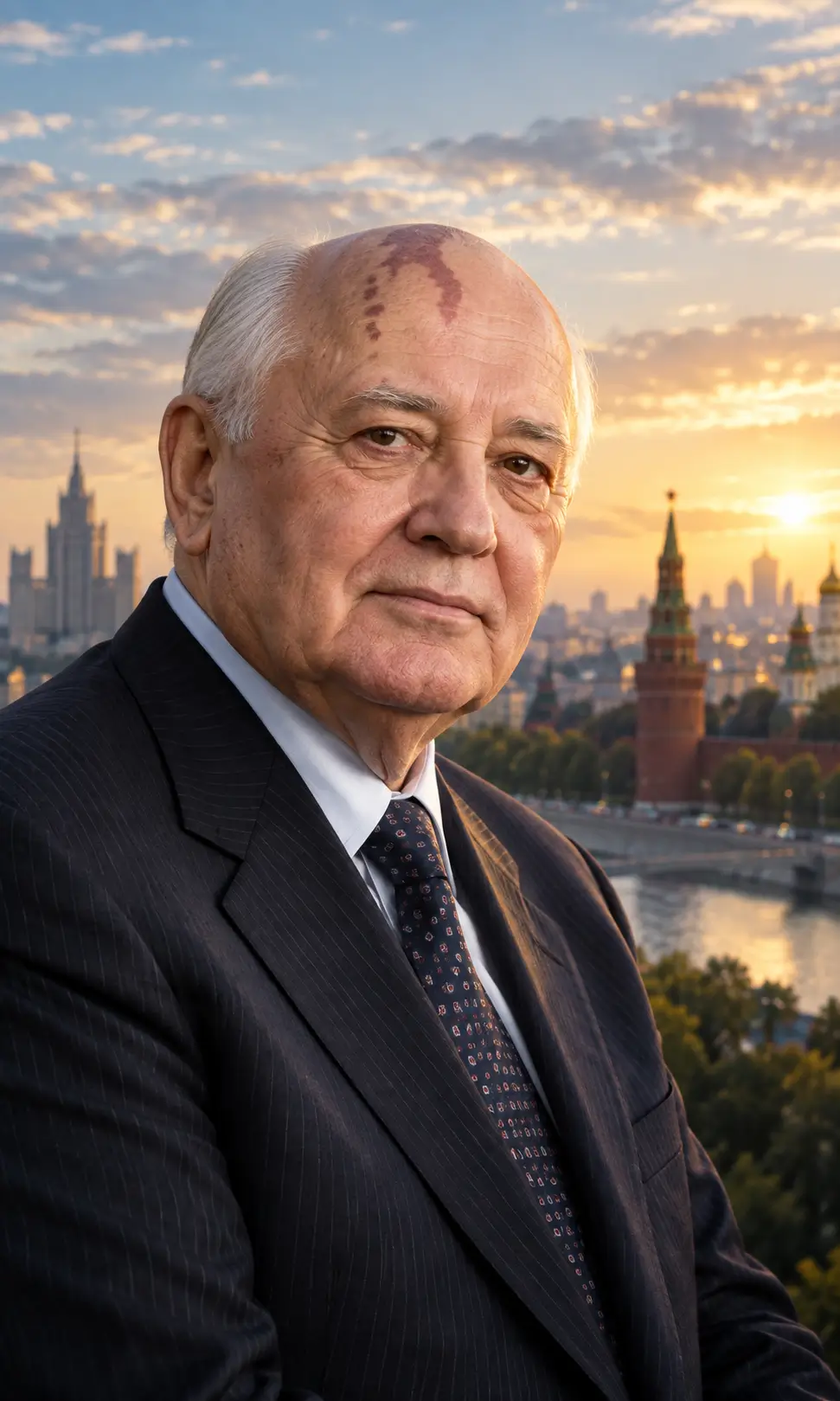
MIKHAIL GORBACHEV
PORTRAIT
Mikhail Gorbachev was the Soviet leader associated with perestroika and major changes in the final years of the Soviet Union.
DR IKEDA'S REFLECTION
Their encounter illustrates Dr Ikeda's conviction that even profound ideological differences can become an opportunity for frank and constructive dialogue.
THE ENCOUNTER
Dr Ikeda met Gorbachev in Moscow on 27 July 1990. The official portrait recounts the meeting in detail.
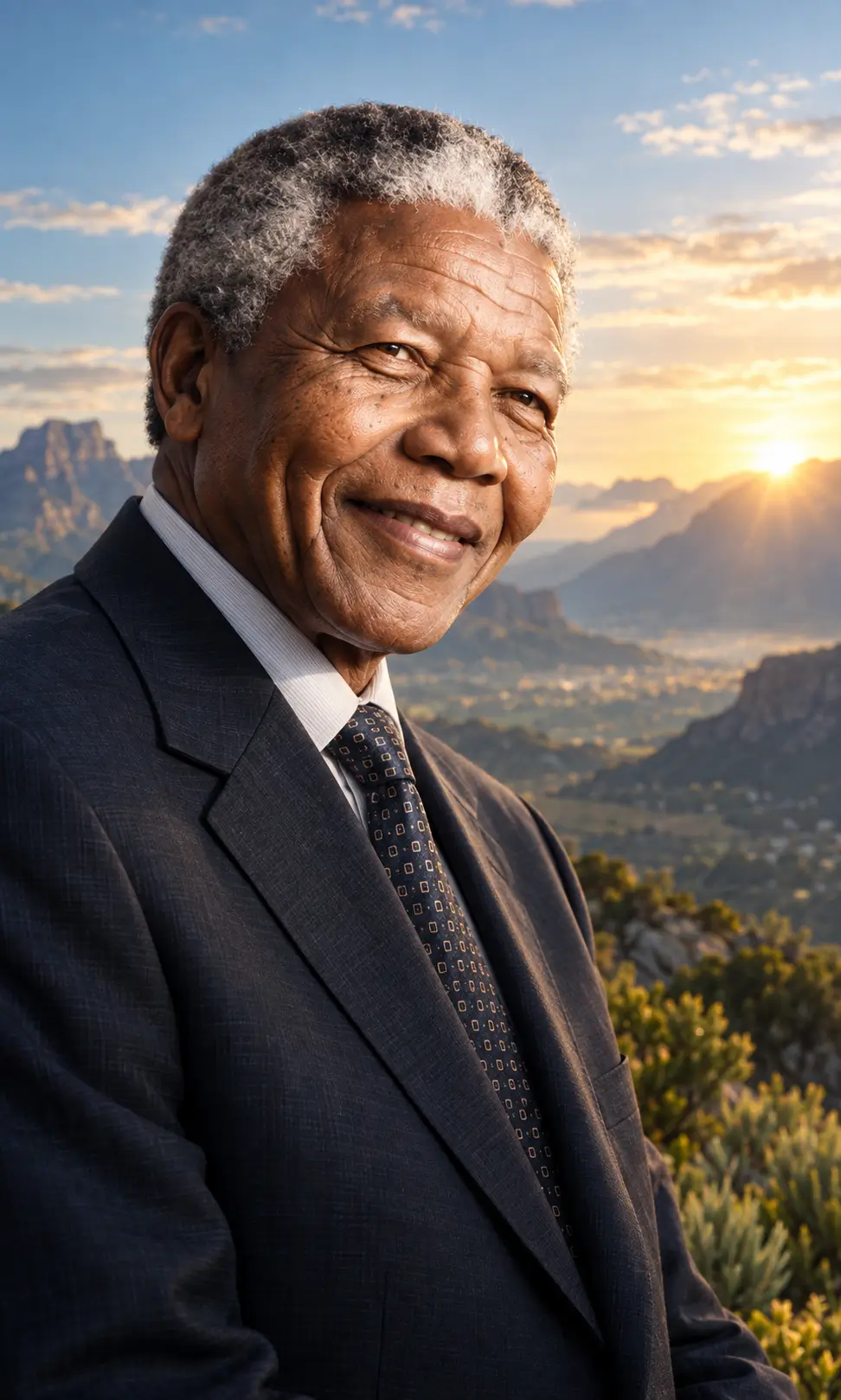
NELSON MANDELA
PORTRAIT
Nelson Mandela's life became a symbol of resistance to apartheid, freedom and the possibility of reconciliation.
DR IKEDA'S REFLECTION
Dr Ikeda's portrait focuses on Mandela's transformation from political prisoner to president and his commitment to justice and human dignity.
THE ENCOUNTER
Dr Ikeda first met Mandela in Tokyo in 1990, shortly after Mandela's release from prison, and met him again in 1995.
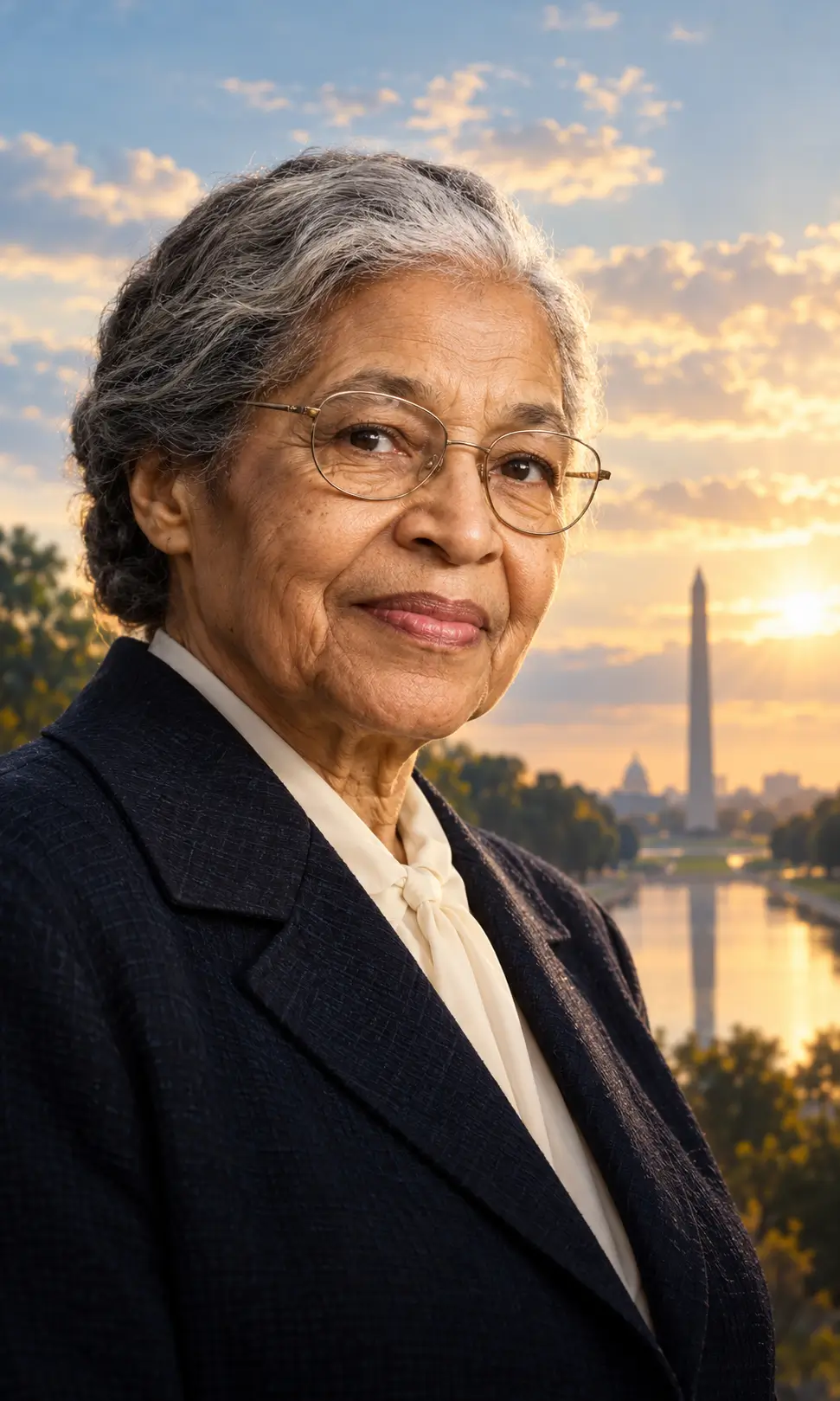
ROSA PARKS
PORTRAIT
Rosa Parks became a defining figure of the American Civil Rights Movement through her refusal to surrender her bus seat to a white passenger.
DR IKEDA'S REFLECTION
Her story embodies the power of one individual's courage to become a catalyst for wider social change.
THE ENCOUNTER
Dr Ikeda met Parks in Los Angeles in January 1993. The official portrait, Just One Word, reflects on the significance of her courage and example.
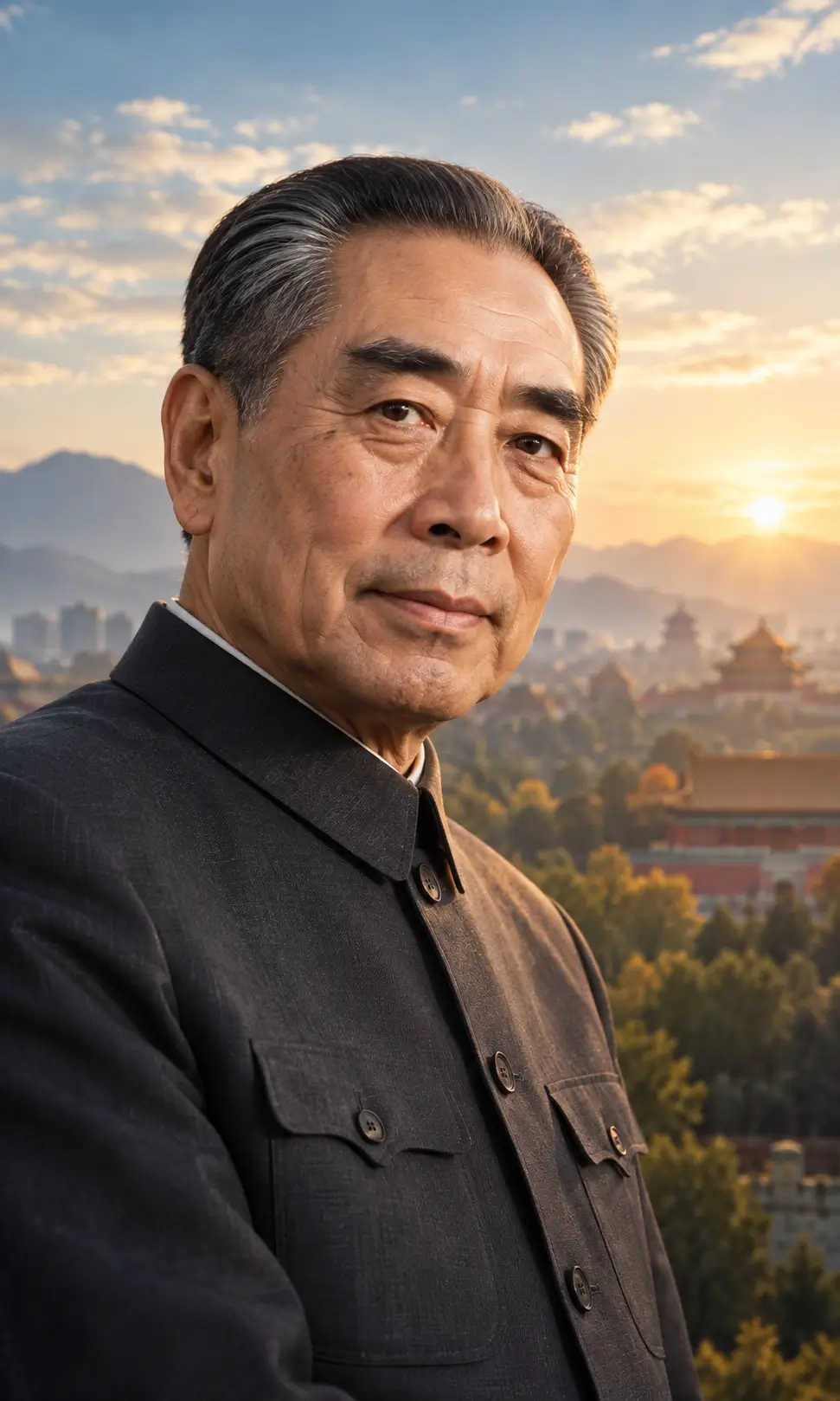
ZHOU ENLAI
PORTRAIT
Zhou Enlai was China's first Premier of the People's Republic of China and an important figure in the history of Sino-Japanese relations.
DR IKEDA'S REFLECTION
The official portrait records Dr Ikeda's deep respect for Zhou and his reflections following their encounters.
THE ENCOUNTER
Dr Ikeda met Zhou in Beijing in December 1974.